

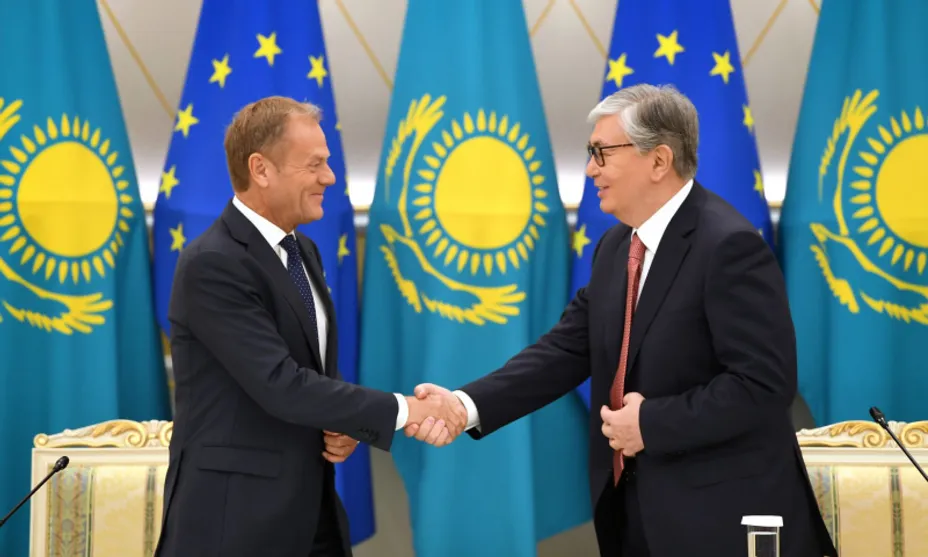
The five states that form Central Asia, namely Kazakhstan, Turkmenistan, Uzbekistan, Tajikistan, and Kyrgyzstan, have welcomed the opportunity to strengthen their influence in light of a strategic position underlined by the Afghan crisis.
Kazakhstan in particular can play a more important role, given its diplomatic position, enhanced by an effective approach to mediation and its indirect neighborhood. On 22 November, the 17th Central Asia–European Union Ministerial Conference on Foreign Affairs was held in Dushanbe, Tajikistan.
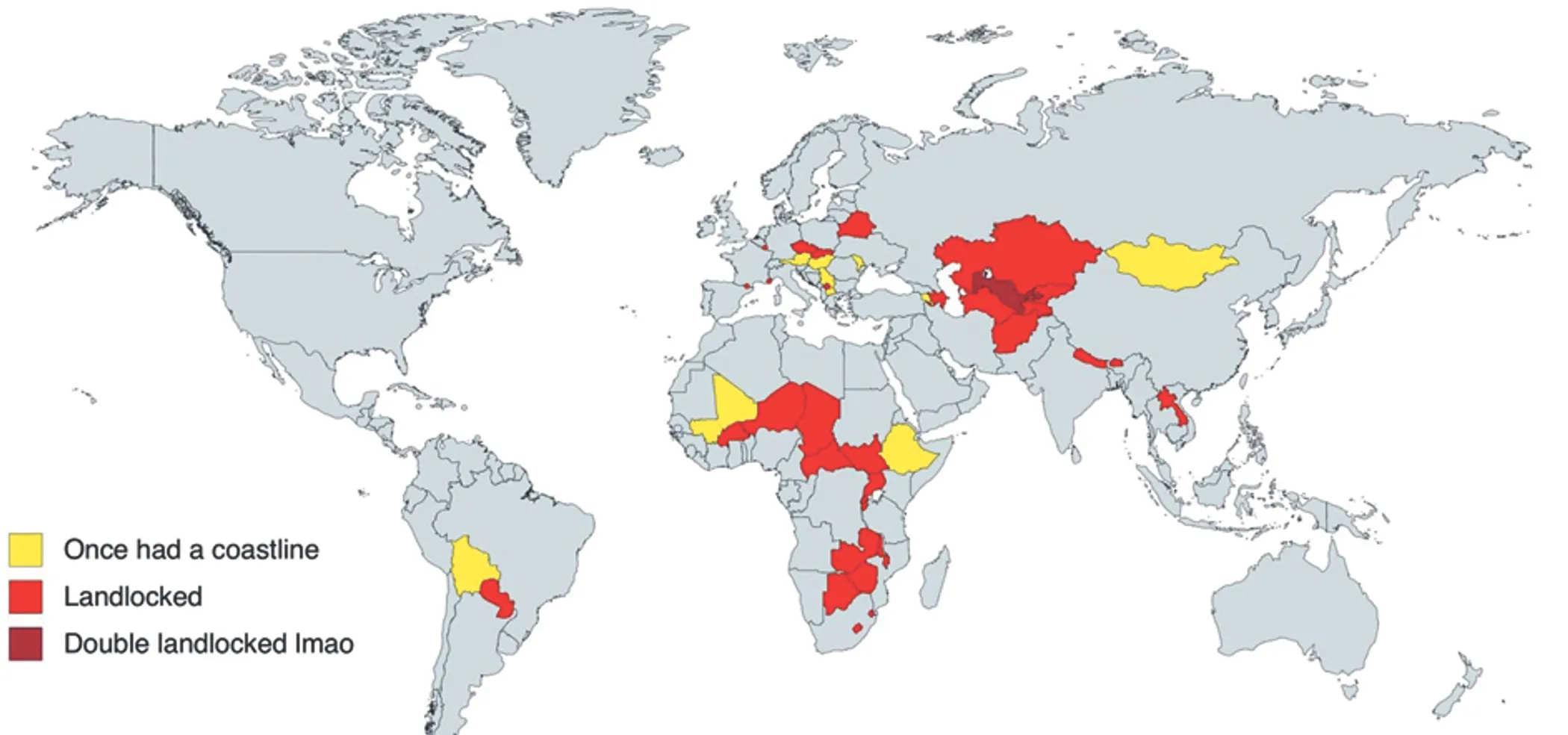
What might at first glance seem like yet another co-operation meeting between the European Union (EU) and a neighboring region unveils an underlying desire for these landlocked states to establish their strategic and multilateral position, but also an opportunity for the EU to extend its reach more firmly to the heart of the Asian continent. In this respect, one should remember that Kazakhstan has launched a UN initiative to federate the 42 landlocked states or countries around the world, deprived of coastal access.
The Dushanbe agreements especially will demonstrate the value of providing strategic EU support to Afghanistan's neighbors. Finnish Commissioner Jutta Urpilainen thus presented the EU's €1 billion aid program for Afghanistan to the five representatives of the Central Asian republics.
Almost half of this budget is earmarked for neighboring countries affected by the crisis caused by the recent Taliban takeover. Participants also pledged to intensify cooperation between the EU and Central Asia in areas such as the tackling of terrorism, organized crime, human trafficking, and migrant smuggling.
"Some might say that the EU is too far away from Central Asia to be relevant for the region […] no, it is quite the opposite", said Josep Borrell at the end of the conference, adding: "We are very happy to be here […] with a strong message that the EU is a reliable partner that you can count on in the long run". Already in June 2019, the EU adopted a 'New Strategy for Central Asia', which emphasized the growing importance of the region in the eyes of the EU by establishing strategic investment and cooperation agreements. This new approach to the "second circle" of our neighborhood (in addition to the Eastern Partnership, around the Black Sea and in the South Caucasus) was further strengthened last September with the objective of the "Global Gateway."
The EU has many interests in this area, which is – both geographically and politically – a natural corridor between Europe and Asia, at the heart of Eurasia, funneling substantial quantities of energy resources, and a strong potential market (the five countries have a population of 70 million, 35% of whom are under 15 years old).
This is why last week European diplomats presented to their Central Asian counterparts a plan for the future EU Global Gateway initiative, taking into account European ambitions around this global portal of the EU. It is a strategy worth more than €40 billion, to be dedicated to technology and infrastructure considered by many, and rightly so, as a materialization of this European quest for influence in Central Asia.